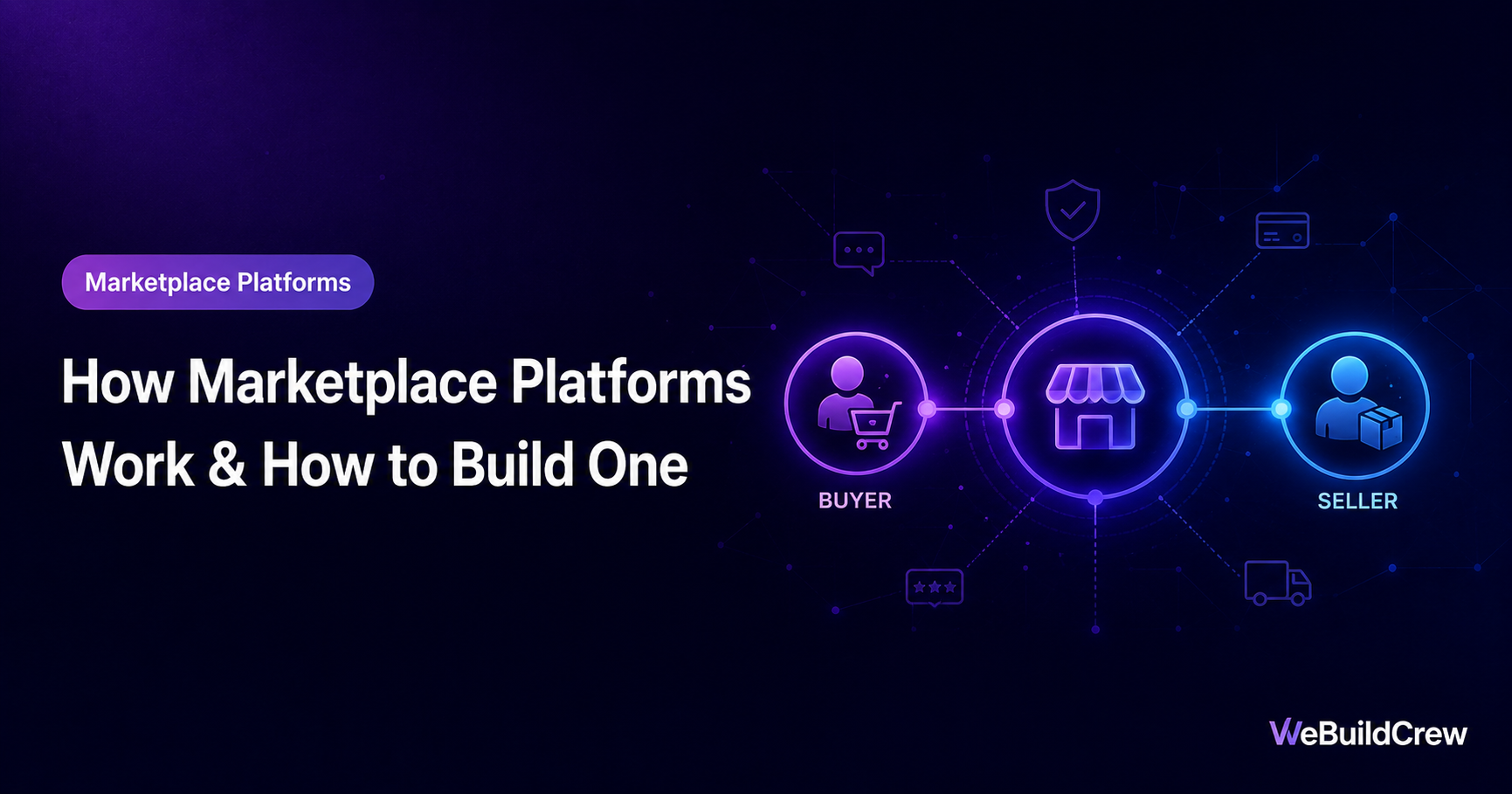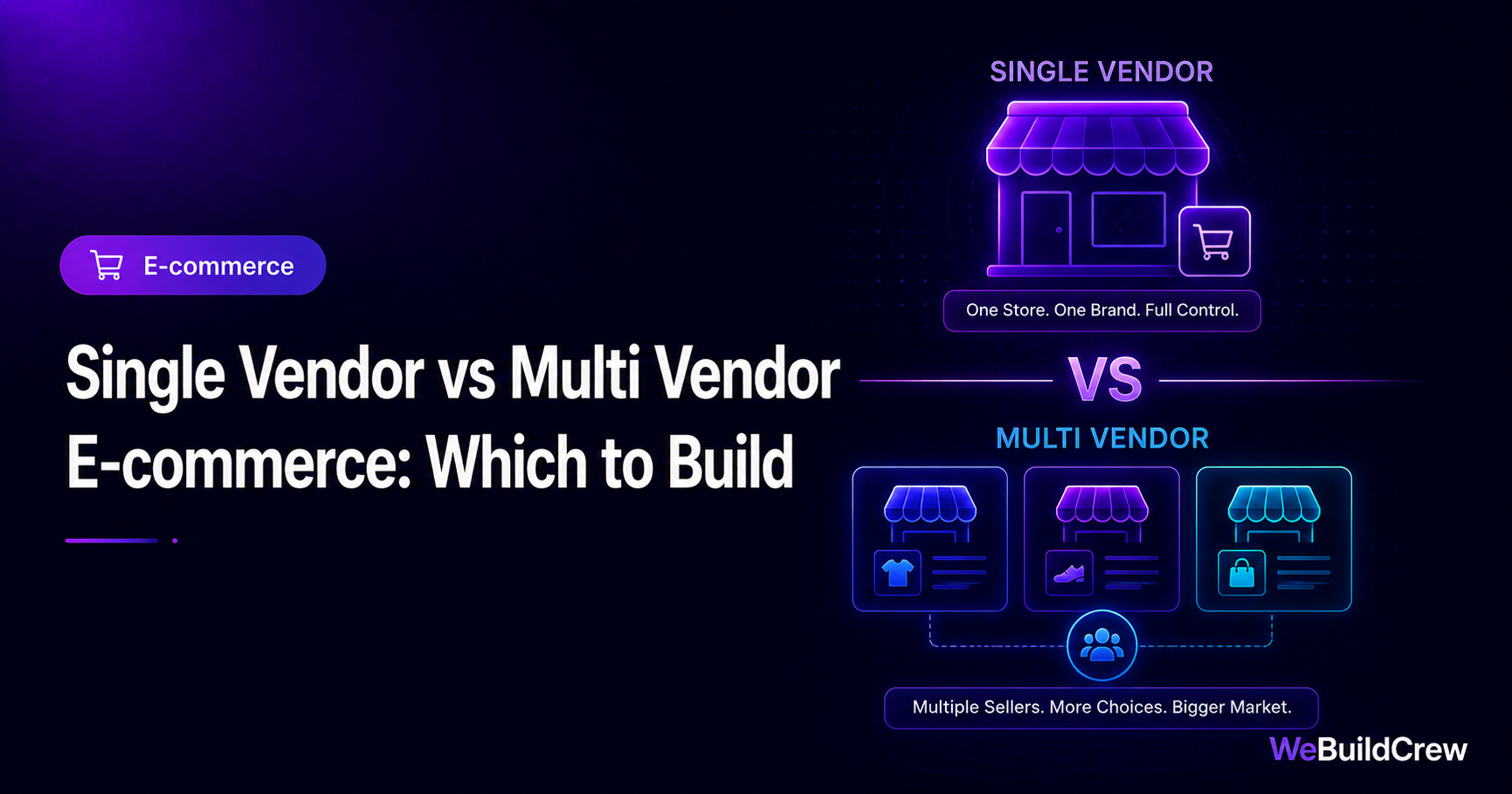
Building a marketplace is building two products at once: supply (vendors) and demand (buyers), each of which is useless without the other. The chicken-and-egg problem is real, but it's solvable — and the technical decisions around payments, trust and discovery are what determine whether the platform can grow once you've cracked it.
Solving the chicken-and-egg problem
Don't try to solve both sides at once. Pick one — usually supply — and recruit vendors before buyers. Launch with a curated, manually onboarded set of 10–20 high-quality sellers. Make the demand side work for that supply before opening vendor signups.
Split payments with Stripe Connect
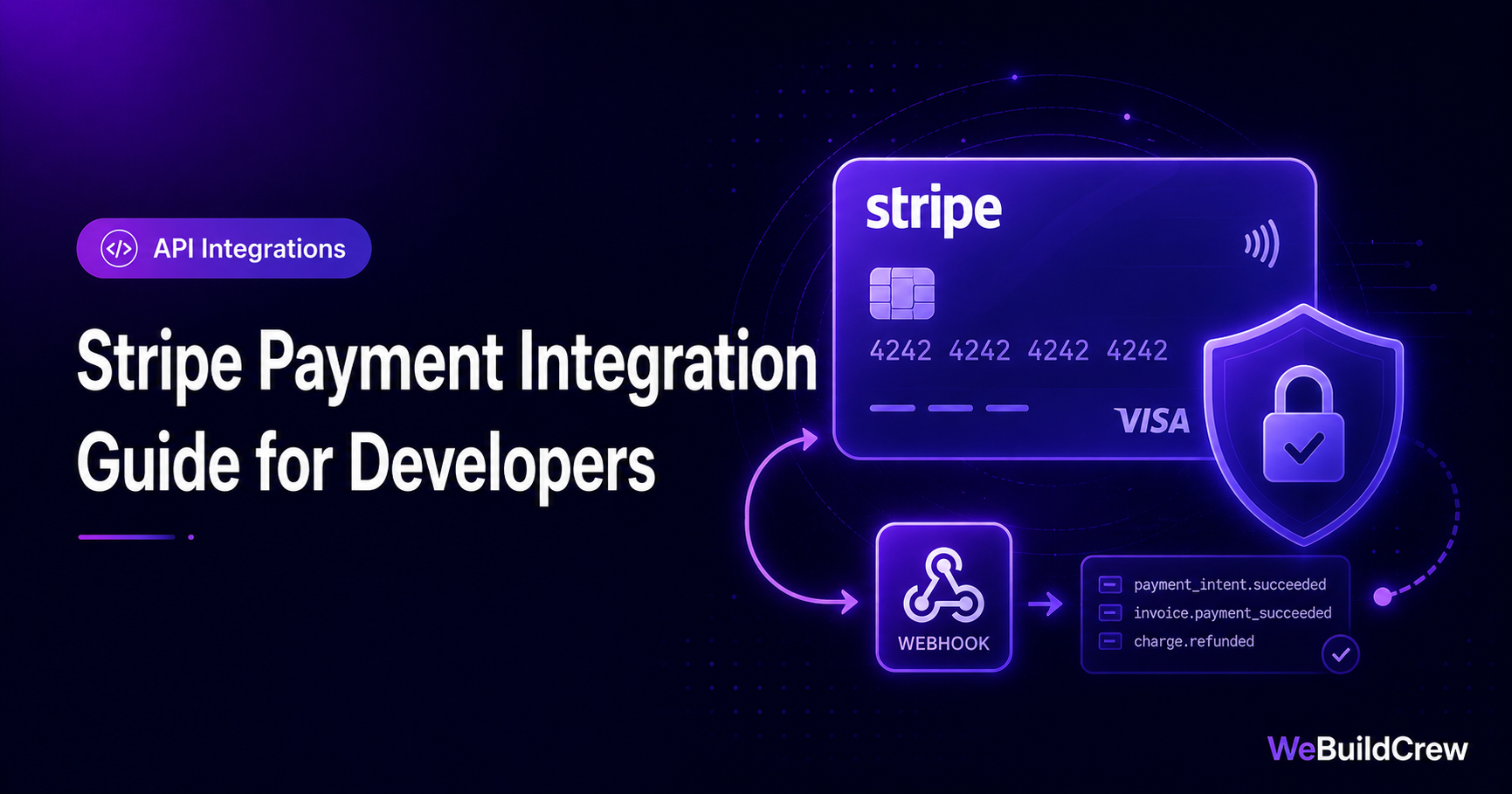
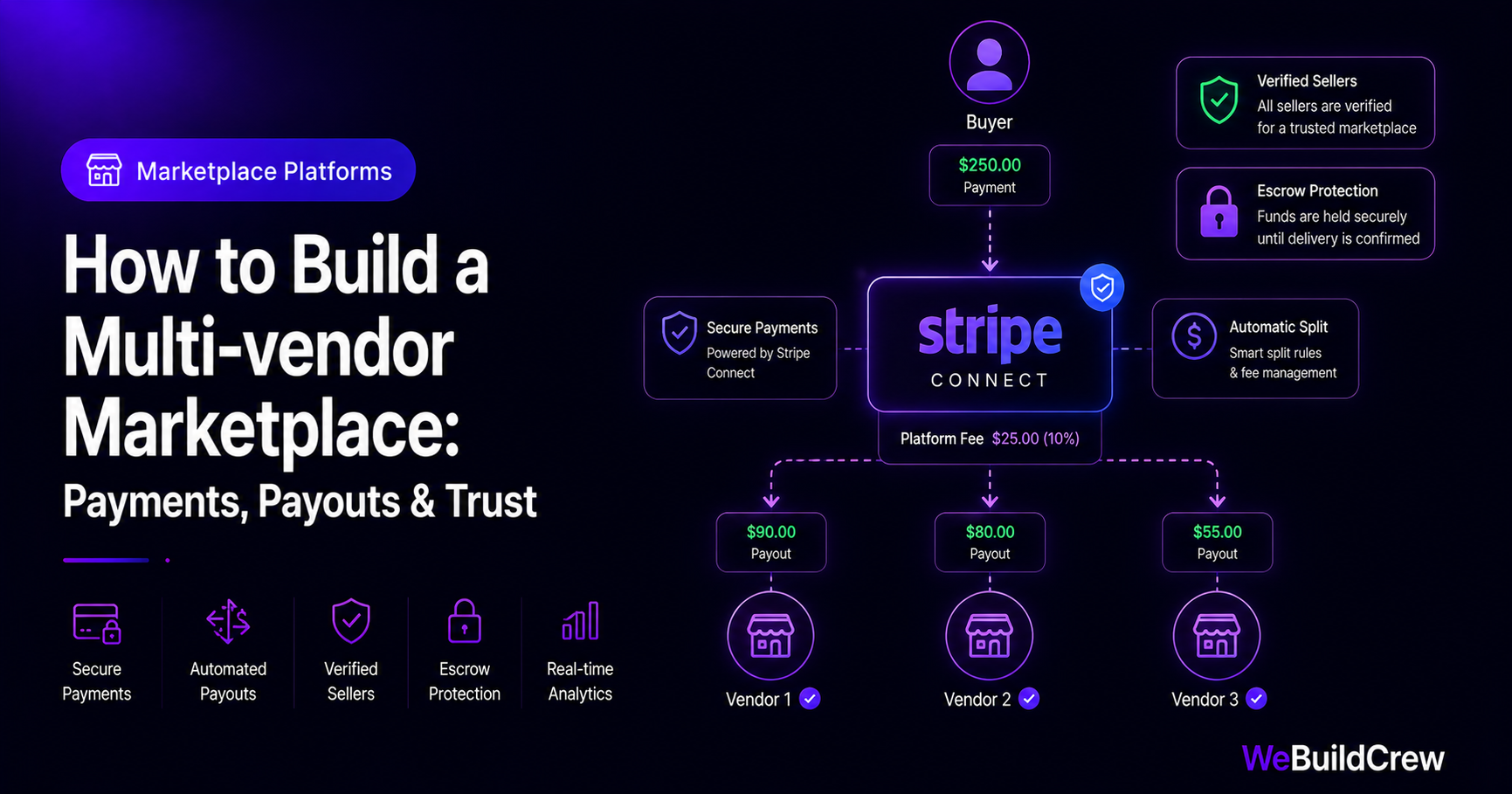
The biggest technical decision in a marketplace: how money moves. Stripe Connect is the standard — buyers pay the platform, the platform splits the payment, the vendor's share lands in their connected account automatically.
const session = await stripe.checkout.sessions.create({ mode: "payment", line_items: [{ price_data: buildPrice(listing), quantity: 1 }], payment_intent_data: { application_fee_amount: Math.round(listing.price * 0.12 * 100), // 12% commission transfer_data: { destination: vendor.stripeAccountId }, // vendor payout }, success_url: `${BASE}/orders/success`,});Trust — the invisible infrastructure
Marketplaces fail on trust more often than on tech. Buyers won't buy without reviews, verified sellers and a clear dispute resolution path. We build: verified seller badges (ID + bank account confirmed by Stripe), buyer-only reviews (can't review until order delivered), and a dispute flow that holds funds in escrow until both parties confirm.
Search that creates liquidity
Sub-200ms faceted search is a conversion multiplier. We use Meilisearch for instant results with filters — by category, price range, location, rating and availability. Slow or broken search is silent revenue loss.
Vendor onboarding experience
Vendor friction is supply friction. Make onboarding a 10-minute flow: create account → complete Stripe Connect Express onboarding → add first listing → go live. Every extra step is a drop-off.
12%
Typical commission
< 200ms
Search latency
100%
Automated payouts
escrow
Dispute protection
Need this built? Explore our Marketplace Platforms service.
View service →Written by Zahid Ghotia · Published 13 June 2026 · 11 min read